

- Kursleiter*in: Prof. Dr. Anja Schwarz
- Kursleiter*in: Aileen Behrendt
- Kursleiter*in: Aileen Behrendt
- Kursleiter*in: Dr. Anke Bartels
As a multi-modal form of literary and visual expression, comic books require a distinct mode of engagement in both reading and criticism. Unlike purely textual or purely visual media, comics operate through the interplay of word, image, layout, sequence, and material form. This course introduces students to the theoretical foundations of comics studies while moving beyond pop-cultural reception to examine comics as complex aesthetic, political, and philosophical systems.
- Kursleiter*in: Abiral Kumar
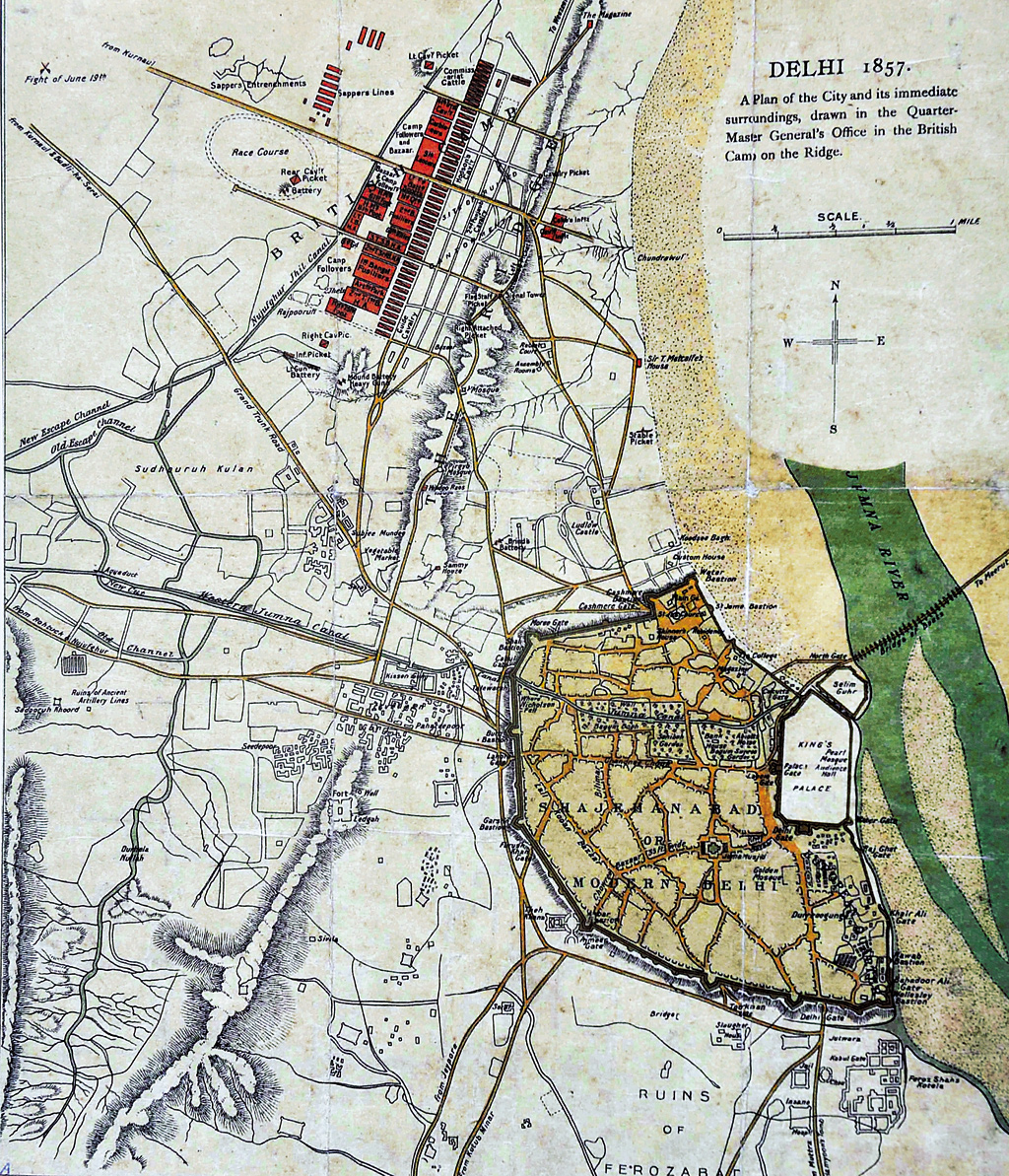
What happens to tradition when a nation is partitioned? Can storytelling restore what political borders divide? This course explores the fiction of Intizar Husain, one of the most significant Urdu writers of the twentieth century, whose work reimagines cultural memory in the aftermath of the 1947 Partition of the Indian subcontinent. Writing in the wake of mass displacement, Husain developed an aesthetic rooted not in ideological programs but in the syncretic cultural history of pre-Partition India—a milieu shaped by intertwined Hindu, Muslim, and Buddhist narrative traditions. Breaking away from the formal expectations of the Progressive Writers' Association, Husain became associated with the Nayi Kahani Movement (The New Story Movement), forging a distinctive style that drew deeply on older storytelling traditions: epics, folktales, myths, and oral narratives. In his hands, these traditions do not appear as relics of a sealed past. Instead, they intermingle within contemporary life, unsettling clear distinctions between past and present, myth and history, memory and lived experience. For Husain, fiction becomes a method of reckoning. As he reflects, his writing enables him to ”comprehend the experience [of migration]” and to understand history in relation to the problems that shape collective life. His narratives dissolve rigid temporal boundaries: childhood persists within adulthood; ancient legends reverberate through modern streets; mythic echoes resound in everyday conversations. Time, in Husain’s fiction, is layered rather than linear, and tradition emerges not as inheritance confined by religious or national identity, but as a living, composite ethos resistant to neat partitioning. Through close readings of selected novels, novellas, short stories, and essays, this course examines how Husain uses fiction to ”undo” the partitioning of literary and cultural traditions. We will explore how his work challenges nationalist historiography, reconfigures memory as a shared yet contested space, and imagines narrative as a site where fractured worlds might be gathered without erasing their differences. This course invites students to read Husain not simply as a chronicler of loss, but as a writer who transforms fragmentation into a powerful literary method -- one that rethinks what it means for tradition to survive, migrate, and endure.
- Kursleiter*in: Abiral Kumar
- Kursleiter*in: Prof. Dr. Lars Eckstein
This seminar will examine how writers have sought to represent rave culture and the experience of raving in writing -- including in fictional narratives and other genres such as memoires and autoethnography. We will ask questions like, how did rave culture affect British literature in the 1990s? How have writers sought to transfer the dancefloor to the page? What are some of the difficulties and problems associated with this cultural transfer?
- Kursleiter*in: Prof. Dr. Gigi Therese Adair