

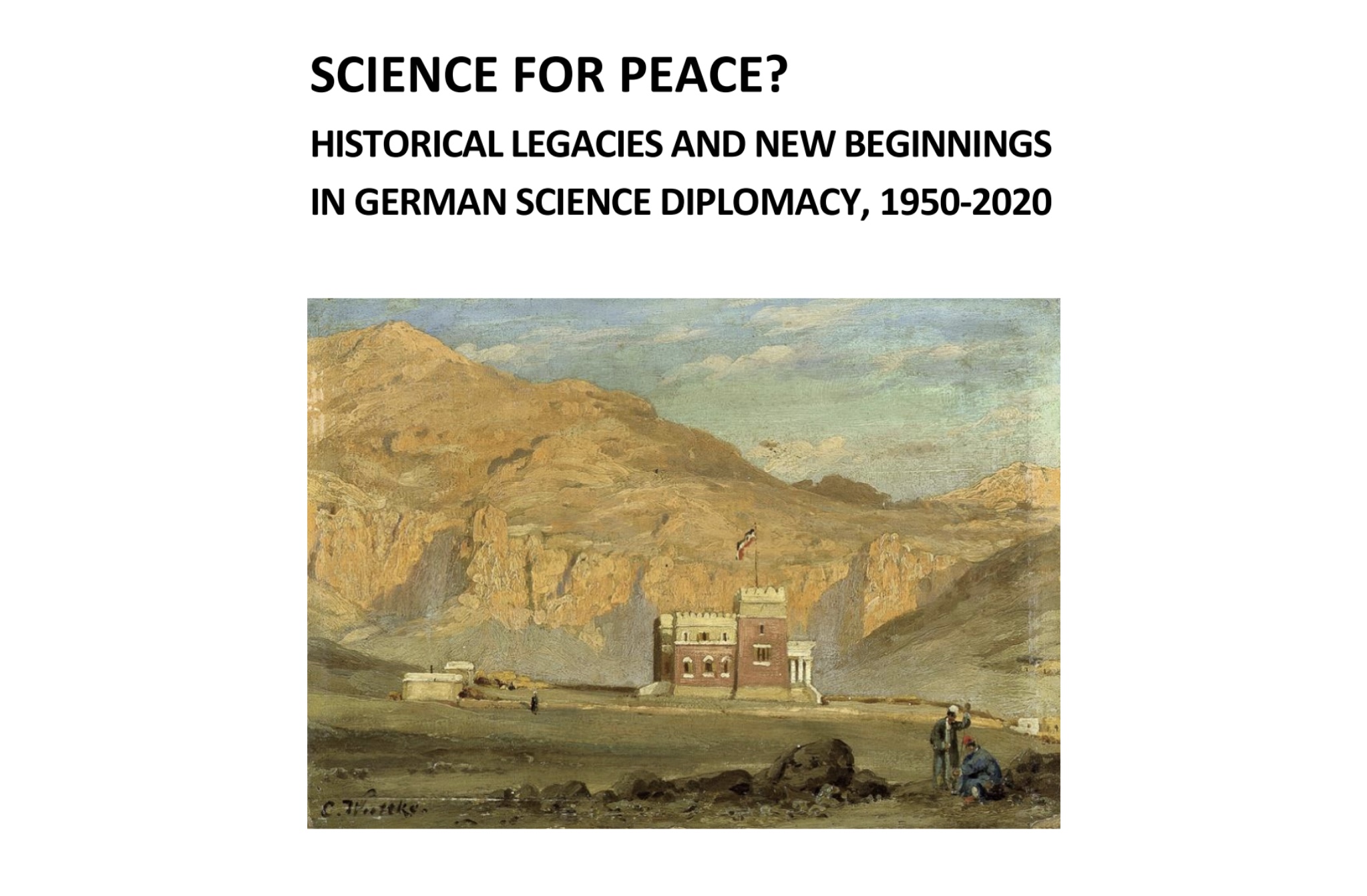
This course follows the history of German science diplomacy from 1950 to the present. It will focus on the relevant actors both in science and policymaking, on the changing aims, instruments as well as cooperation paradigms of international scientific collaboration. West German science diplomacy has undergone a considerable transformation during the first decades of its existence, continuously increasing in scale and scope before becoming a fully-fledged pillar of German foreign relations after the fall of the Iron Curtain. Special attention is paid to the ambitious but competing aims put forward for science diplomacy by different federal ministries, the implementing organizations and the scientific community itself.
- Kursleiter*in: Johannes Fischbach
- Kursleiter*in: Christian Rieck
International institutions provide order and meaning; they structure and facilitate cooperation in world politics. This lecture is intended to introduce the main theoretical debates in international relations (IR) on international regimes and regime complexes, international organizations, and international norms. We will compare what kind of answers major IR theories, like realism, institutionalism, and constructivism - but also critical and feminist approaches - offer on fundamental questions of the emergence, shape, and consequences of international institutions: for example, why do sovereign nation states delegate authority to international institutions? How do international regimes like the Climate regime facilitate compliance? When do states leave international organizations? What explains the diffusion of international norms, such as gender equality and sustainable development? While some empirical examples will be included for illustrative purposes, the lecture is theory-oriented and intended to give students a solid foundation in the study of international institutions. At the end of this lecture course students should be able to give nuanced assessments of differing theoretical approaches in relation to their research goals and application to IR.
- Kursleiter*in: Thomas Sommerer
- Kursleiter*in: Dr. Maria Josepha Debre
- Kursleiter*in: Thomas Sommerer
Multilaterale Organisationen sehen sich in jüngster Zeit wachsenden Herausforderungen gegenüber. Mitgliedsstaaten verlassen internationale Organisationen, Regierungen kürzen deren finanzielle Unterstützung oder blockieren die Nachbesetzung von Ämtern, und auch nichtstaatliche Akteure organisieren Proteste und Kampagnen gegen diese Institutionen. In diesem Seminar werden wir uns in drei Schritten mit neuerer Forschung zu Legitimität und Legitimitätskrisen internationaler Organisationen beschäftigen. Zuerst untersuchen wir Grundlagen und Prinzipien von Legitimität jenseits des Nationalstaates und machen uns ein Bild vom empirischen Forschungsstand zu unterschiedlichen Organisationen. In einem zweiten Schritt beschäftigen wir uns anhand von Beiträgen aus der Forschung zur Politisierung regionaler und globaler Governancestrukturen mit den Ursachen des Bedeutungszuwachses von Legitimitätsfragen. Im dritten Teil dieses Seminars setzen wir uns mit theoretischer und empirischer Forschung zu Protest, Opposition und Widerstand gegen internationale Organisationen auseinander: wer sind die Gegner dieser Institutionen, und was sind ihre Motive? Seit wann, warum und mit welchen Folgen stellen sich sowohl Staaten als auch nichtstaatliche Akteure gegen bestimmte Formen der Zusammenarbeit in multilateralen Institutionen?
- Kursleiter*in: Thomas Sommerer